Zimbabwe’s culture is rooted in the traditions of its many peoples, and shaped by its history and its neighbours.
Peoples and languages
The Shona are the largest group, followed by the Ndebele. Zimbabwe is also home to the Tonga, Venda, Shangaan, Kalanga, Nambya, Ndau, Sotho, Tswana, Chewa and Xhosa peoples, among others.
The Constitution of 2013 recognises 16 official languages: Chewa, Chibarwe, English, Kalanga, Koisan, Nambya, Ndau, Ndebele, Shangani, Shona, sign language, Sotho, Tonga, Tswana, Venda and Xhosa. English, Shona and Ndebele are the most widely spoken.
Family and traditions
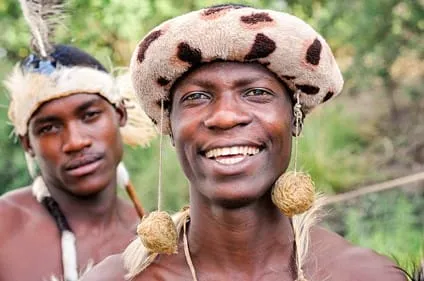
Family is at the heart of Zimbabwean life, and whole families take part in a marriage. Before a wedding, the groom’s family pays lobola (roora in Shona), a bride price, to the bride’s family. Most groups trace descent through the father; the Tonga are an exception.
Weddings, birthdays and family gatherings are celebrated with food, often a goat or cow, barbecued or roasted. So are Christmas, the New Year and national days such as Independence Day on 18 April and Heroes’ Day in August.
Music and dance
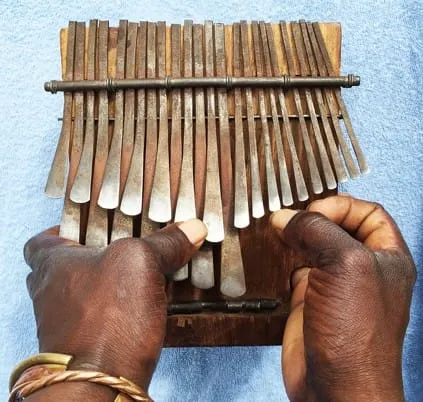
The mbira, a thumb piano of metal keys on a wooden board, is central to Shona music and to ceremonies that call on the ancestors. The art of making and playing it is on UNESCO’s list of the intangible cultural heritage of humanity, as is the Mbende Jerusarema dance.
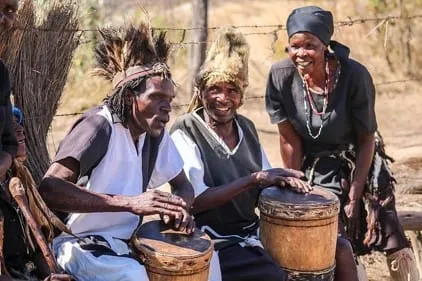
Drums (ngoma) accompany dances across the country. Modern Zimbabwean music grew from these roots: the chimurenga music of Thomas Mapfumo, the guitar style of Oliver “Tuku” Mtukudzi, sungura and, more recently, Zimdancehall.
Stone sculpture
Zimbabwe’s stone sculpture is known around the world. From the 1950s artists began to carve serpentine and springstone into powerful, simple forms, at the National Gallery in Harare and at the Tengenenge community. In 2026 the Embassy hosted an exhibition and live demonstration by the sculptor Rickson Zavare in Stockholm.
Food
The staple is sadza, a thick porridge of maize meal, eaten with a relish of meat, vegetables (muriwo) or beans. Mopane worms (madora or amacimbi) are a well-loved delicacy.
Sport
Football is the most popular sport, followed by cricket and rugby. The swimmer Kirsty Coventry won seven Olympic medals for Zimbabwe and in 2025 became President of the International Olympic Committee.